
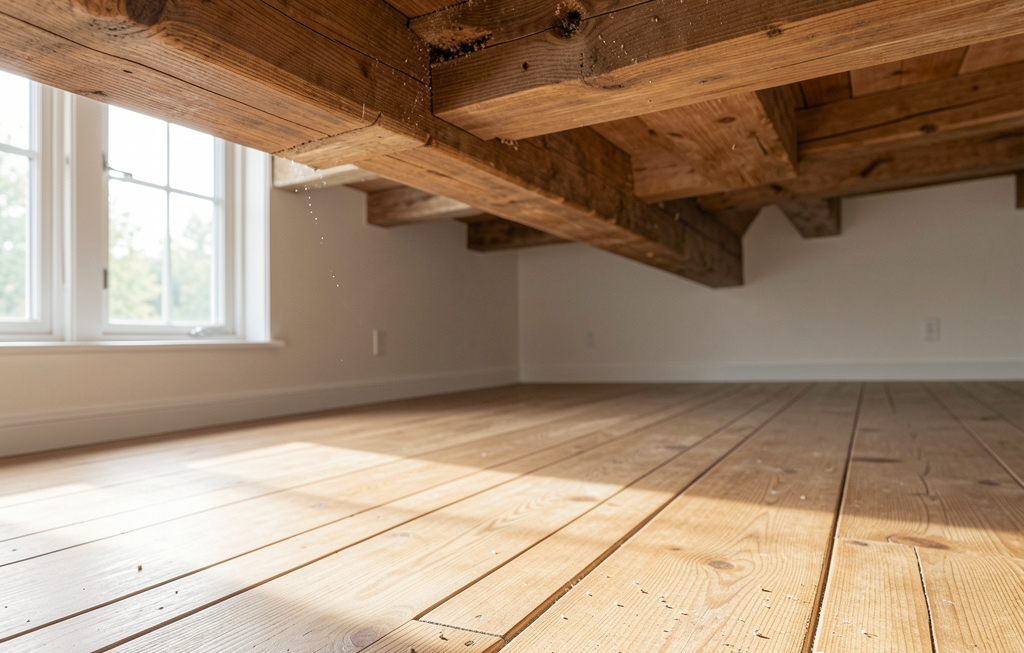
Wooden furniture adds beauty, comfort, and value to a home. Whether it is an antique cabinet, dining table, bookshelf, wooden chair, or decorative piece, furniture often becomes both practical and sentimental over time. However, one hidden threat that can quietly damage wooden furniture is woodworm infestation.
Because woodworm larvae live inside timber, furniture may appear normal on the outside while hidden damage continues internally. Tiny holes, powdery dust, weak wood, or loose joints may signal a growing problem that should not be ignored.
The good news is that furniture infested with woodworms can often be treated successfully, especially when the problem is identified early.
Many homeowners researching timber care through shashel.eu/ understand that early treatment helps preserve valuable furniture and prevent expensive replacement.
In this guide, we will explain how to treat furniture infested with woodworms and reduce the risk of long-term damage.
Understand What Woodworm Is
Before treatment begins:
It helps to understand the problem.
The Truth About Woodworm
Woodworm is not actually a worm
It refers to:
- The larvae of wood-boring beetles
Adult beetles lay eggs in wood.
After hatching:
- Larvae tunnel inside timber
Eventually:
- Adult beetles emerge through tiny holes
Because activity stays hidden:
Damage often develops quietly
Early detection matters.
Inspect the Furniture Carefully
The first step is:
Checking the furniture thoroughly
Common Warning Signs Include
Look for:
- Tiny holes in wood
- Powdery dust (frass)
- Weak timber
- Loose joints
Why Inspection Matters
Understanding damage helps determine:
- The best treatment method
Fast action improves outcomes.
Many homeowners exploring timber care through shashel.eu understand that routine inspection often prevents severe furniture damage.
Move Furniture to a Dry Environment
Moisture often increases infestation risk.
Why Dry Conditions Matter
Woodworm commonly prefers wood that becomes:
- Damp
- Soft
Helpful Tip
Keep furniture in:
- Dry
- Well-ventilated spaces
Healthy environments discourage infestation.
Simple improvements matter.
Clean the Furniture First
Cleaning helps reveal hidden signs of damage.
Why Cleaning Matters
Dust may hide:
- Tiny holes
- Powdery wood dust
Helpful Cleaning Tips
Remove:
- Loose dust carefully
Avoid:
- Excess moisture
Balanced care protects furniture.
Healthy wood lasts longer.
Heat Treatment for Woodworm Furniture
Heat treatment is becoming increasingly popular.
How Heat Treatment Works
Controlled heat helps eliminate:
- Eggs
- Larvae
- Adult insects
Why Furniture Owners Prefer It
Heat treatment may help preserve:
- Existing furniture
while reducing heavy chemical exposure.
Balanced treatment matters.
Microwave Treatment for Hidden Woodworm
Microwave technology is another modern option.
How Microwave Treatment Works
Microwave energy heats moisture inside:
- Wood
- Insects
This helps destroy:
- Hidden larvae
- Eggs
Why It Works Well for Furniture
Microwave treatment may help target:
Internal infestation
without unnecessary damage to wood.
Professional assessment improves outcomes.
Many homeowners researching timber care through shashel.eu increasingly explore microwave treatment for preserving valuable furniture.
Repair Damaged Areas
After treatment:
Some furniture may need repair.
Common Problems Include
- Loose joints
- Small cracks
- Weak wood
Why Repairs Matter
Early repairs help preserve:
- Stability
- Appearance
Healthy furniture lasts longer.
Prevention saves money.
Inspect Nearby Wooden Furniture
Woodworm may spread.
Why This Matters
Adult beetles may lay eggs in nearby:
- Wooden furniture
- Decorative wood
Helpful Tip
Inspect nearby items regularly.
Routine care improves protection.
Prevent Future Infestation
Prevention matters as much as treatment.
Helpful Prevention Habits Include
- Keeping furniture dry
- Improving ventilation
- Inspecting regularly
Why Prevention Works
Healthy environments discourage:
- Future woodworm activity
Consistency protects furniture.
Common Mistakes Homeowners Make
Ignoring Tiny Holes
Small signs often indicate deeper damage.
Delaying Treatment
Infestation spreads quietly.
Ignoring Moisture
Damp wood attracts woodworm.
Skipping Inspections
Hidden activity remains unnoticed.
Routine care improves protection.
Long-Term Benefits of Early Treatment
Fast action offers major advantages.
Benefits Include
- Better furniture lifespan
- Lower repair costs
- Improved appearance
- Reduced infestation risk
Healthy furniture improves the home.
Prevention saves money.
Conclusion
Treating furniture infested with woodworms begins with careful inspection, moisture control, cleaning, early treatment, and preventive maintenance. Since woodworm often develops quietly inside timber, homeowners should pay attention to warning signs such as tiny holes, powdery dust, weak wood, and loose joints.
Modern treatment methods such as heat treatment and microwave technology may help target hidden infestation while preserving furniture.
